Tesla Unveils a Flying Roadster: 5 Lessons for Your Launch
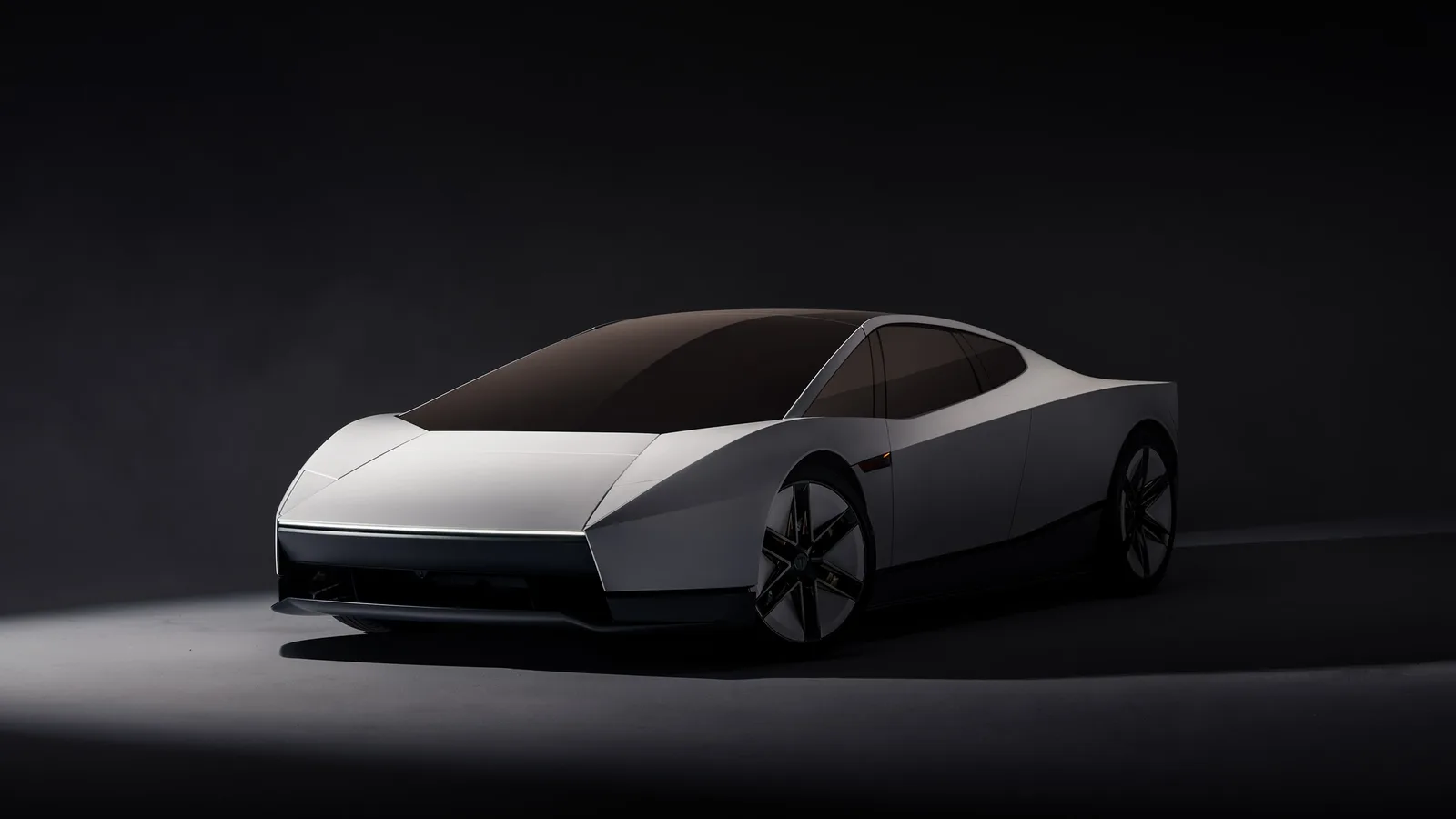
Tesla introduced the new Roadster on October 15 with a show built for cameras rather than a presentation. Tesla launches are usually showy; this time the centerpiece was a few seconds of the car leaving the ground instead of slides. This piece looks less at the car than at how the launch was staged, and at what brands should and shouldn’t take from it.
What happened?
Tesla revealed the second-generation Roadster in a livestreamed event from a SpaceX test site in McGregor, Texas, near Waco. The car climbed a curved ramp, clung to it upside down, then used cold-gas thrusters to spin in mid-air and settle back onto the ground. Later in the show it lifted itself over a Model 3, Model Y, Cybertruck, Semi and Cybercab while in motion.
According to Tesla, the car goes from 0 to 60 mph in under a second, which was shown at the event on Tesla’s own timer. Elon Musk said production would start in 2028; no price was announced. Tesla’s Roadster page lists three versions: Performance, sold by reservation; Thrust, a limited release; and Rocket, invite-only and, in Tesla’s words, able to fly. The same page notes that Rocket is not approved for public road use.
The backstory matters. The new Roadster was first shown in November 2017, and according to CNBC every targeted delivery date since then has been missed. The event itself had slipped from October 1 because of severe weather.
What it means for your brand
Most brands don’t have a flying car. The way this launch was built still offers five lessons that work at any scale, from what it got right and from what it got wrong.
1. Tie the memorable moment to the real product
The Verge noted the event ran under 30 minutes and felt “more like a stunt show than a product reveal.” Price and similar details never came up; what stuck was the car leaving the ground. Building a launch around one strong moment works. The catch here is that the version that flew is invite-only and can’t be driven on public roads, so the show said little about the Performance model most reservation holders will actually get. For your own launch, pick the memorable moment from something the product people buy really does: a machine’s speed, a task your app finishes in one tap, a material that doesn’t break.
2. Shoot the livestream for the edit
Stunt moments are known in advance: the ramp, the spin, the landing. Camera positions, high frame rates for slow motion, drones and onboard cameras can all be planned ahead. The live director picks one angle in the moment. If every camera is recorded separately (ISO recording), the next day’s short videos can be cut far better than the broadcast itself.
3. Answer the question the show raises, the same night
After a show like this, the first thing viewers ask is “how did it do that?” On the night of the event, Tesla’s official X account posted a thread explaining how the thrusters work. Predict that question for your own launch and have the answer ready: a short explainer video, a motion graphics animation or a set of images. With a vertical framing plan and captions prepared in advance, the first clips can go out within hours of the stream.
4. Make sure the page behind the show is ready
Tesla’s Roadster page was live with the trims, imagery and a reservation button. According to CNBC, the company had reopened $50,000 reservations in the US, Canada and China in the weeks before. A viral video sends people to a page; if that page is slow or out of date, the interest dies there. Design the launch page on the same timeline as the video, mobile first. We build these pages in Webflow so your content team can update them itself.
5. A show doesn’t replace credibility
TechCrunch reported that Musk said beforehand the demo would be the most exciting ever, whether it worked or not, so the risk was openly acknowledged. The bigger issue is a delay of nearly nine years. According to CNBC, reservation holder Sam Altman mocked the delays on X last year and asked for his deposit back. An impressive show doesn’t erase that history; it only sets a new date. Build a backup plan for your livestream (an extra camera, pre-recorded fallback footage, a weather alternative), and don’t announce a date on stage that you can’t keep.
Where the show stops
Most brands can’t repeat the SpaceX partnership behind Tesla’s show, and they don’t need to. What can be repeated is a show that makes one promise visible. A manufacturer showing one close-up moment from its production line at a trade fair, or a software company explaining its product’s one job in ten seconds, works the same way.
The show doesn’t cover the product’s gaps either. There’s no price, and the production date rests on Musk’s word. TechCrunch quotes Musk saying the car on stage “will be the actual car that’s on the roads,” while Tesla’s own page says the flying Rocket isn’t approved for public roads. Every claim in your launch film should be one you can stand behind.
Practical steps
- Write your product’s one-sentence promise, and the single scene that shows it, at the top of the launch brief. The scene should show the product you are selling.
- Plan the shoot backwards from the edit: list the short videos you want to publish first, then build the camera and recording plan around them.
- Plan horizontal and vertical separately. The livestream is landscape and social is vertical; don’t count on cropping both from one frame.
- Write down what happens on stage if the weather, the connection or the demo fails.
- Get the page, the video and the press images ready on the same day. If the media has your official images, the story is told in your framing.
On the video production side, we handle script, filming, editing and motion graphics under one roof. If your product isn’t ready to film yet, or what you want to show can’t be captured on camera, an AI animated film is an option; the films we made for Gala Fresh at Fruit Attraction Madrid and Fruit Logistica Asia are examples.
Frequently asked questions
When will the new Tesla Roadster go on sale?
Elon Musk said production will begin in 2028; no price has been announced. The car was first shown in 2017 and, according to CNBC, every targeted delivery date since then has been missed.
Can the Roadster really fly?
According to Tesla, the invite-only Rocket version can lift off using cold-gas thrusters around the body; at the event, the car hopped over other Tesla models. Tesla’s page states that this version is not approved for public road use.
When should the video team join a launch project?
At the script stage. If the memorable moment, the camera plan and the list of short videos are decided while the event is being designed, the shoot day is just execution.
Let’s plan your next product launch together, from the livestream to the short-form cuts.
Sources
- Tesla reveals SpaceX-powered Roadster that flies and falls with style · TechCrunch
- Tesla unveils long-delayed Roadster, showing off its flying-car ambitions · CNBC
- The Tesla Roadster flew, drove upside down, and hit 60mph in under a second · The Verge
- Roadster · Tesla
- Tesla on X: SpaceX thrusters and COPVs in Roadster · Tesla (X)